SDG-9 focuses on three main themes: developing transportation, information, and communication infrastructure; promoting industrialization for sustainable economic growth and societal welfare; and fostering innovation through new technologies and skills [1].
In overcoming the many interlinked economic, social, and environmental challenges, it is crucial to have efficient ways to commute between places, connect and communicate seamlessly, and develop new skills in industry and technology. These three themes are important to raise the welfare level of human society and achieve sustainable economic growth.
SDG- 9 is categorized into 8 targets, with the first 5 targets (9.1–9.5) as the main targets and the remaining targets (9.a-9.c) are called ‘means of achieving’ . Below is the 8 targets of SDG-9:
9.1 Develop sustainable, resilient and inclusive infrastructure.
9.2 Promote inclusive and sustainable industrialization.
9.3 Increase access to financial services and markets.
9.4 Upgrade all industries and infrastructures for sustainability.
9.5 Enhance research and upgrade industrial technologies.
9.a Facilitate sustainable infrastructure development for developing countries.
9.b Support domestic technology development and industrial diversification.
9.c Universal access to information and communications technology.
Sustainable transportation plays a vital role in economic development. The sufficiency and adequacy of transportation boost new job areas and provide those who are out of walking distances, therefore, access to clean water, food, education, employment, and gender equality would be more advanced [1] . Sustainable transportation also takes an important part in social, and environmental challenges. By investing in efficient transport networks, societies can enhance connectivity, reduce inequalities, and foster economic resilience in line with SDG-9 objectives.
Challenges in Achieving SDG-9
The implementation of SDG-9 surely faces numerous obstacles. One of the obstacles is the substantial financing gap. According to the United Nations Conference on Trade and Development (UNCTAD), developing countries currently face an annual investment shortfall of approximately $4 trillion in SDG-related sectors, including infrastructure, energy, water, and transport. This gap has widened from $2.5 trillion estimated in 2015, resulting in the need for increased investment to achieve SDG-9 targets [2].
Based on the data from World Bank Group, 67% of the world population is using the internet in their lives, which means there are approximately 33% of the population who are not using the internet. The fact that effective use of ICT contributes positively to organizational performance underscores the importance of having certain complementary factors in an organization to enable better use of ICT and accordingly reaping its benefits towards creating innovative business opportunities and achieving competitive advantage. In this regard, entrepreneurs’ ideas and actions are needed to capture the business opportunities made possible by ICT and the resulting innovations; thus, entrepreneurs need to be proficient in the language of technology, i.e., in matching technological potential with market changes, new customer needs, emerging problems, and possible opportunities [3].
Concrete, steel and fibre optic cable are the essential building blocks of the economy. Therefore, generating infrastructure by investing in energy projects, telecommunication systems, pipelines, parks and water systems keeps the infrastructure fruitful. While pointing out that economic growth is visibly linked with infrastructural progress, it enables many other goals that depend on it to be actualised and should not be left out unspoken [1].
The explanation above draws attention to the need for better ICT literacy and infrastructure to achieve SDG-9. This is where the idea of implementing autonomous vehicles will help humans have better infrastructure in the future. Self-driving technology can enhance ICT-driven economic growth by improving transportation infrastructure, reducing congestion, and enabling more efficient mobility, which strengthens connectivity, increases productivity, and creates new business opportunities aligned with market needs and technological innovations.
How Self-Driving Technology Works
Self-driving technology integrates sensors, artificial intelligence, machine learning, and real-time data processing to navigate and operate vehicles without human intervention [4]. The system uses many types of sensors, such as cameras, LiDAR (Light Detection and Ranging), RADAR, and ultrasonic sensors to understand the environment, objects, lane markings, traffic signals, pedestrians, and many more obstacles on the road [5]. These sensors are heavily relied on by self-driving technology to perceive vehicles’ environments accurately, creating safe and efficient transportation. These are the functions of each type of sensor used on AV technology:
- Cameras: Captures high-resolution images, facilitates the detection and classification of objects such as pedestrians, vehicles, and traffic signs through advanced image processing algorithms [4].
- RADAR (Radio Detection and Ranging): Systems emit radio waves to determine the position and velocity of objects, functioning effectively in various weather conditions and enhancing the vehicle’s ability to monitor nearby traffic [6]. RADAR is important to avoid collisions and monitor blind-spots.
- LiDAR (Light Detection and Ranging): Shoots laser pulses to generate precise 3D maps of the vehicle’s surroundings, offering accurate distance measurements and object recognition capabilities . LiDAR is primarily responsible for environment recognition.
- Ultrasonic sensors: Detects short-range obstacles, for example, in parking assistance. This sensor emits sound waves to identify obstacles in close proximity [4].
These various sensors are integrated through sensor fusion techniques that enhance the vehicle’s situational awareness.
AI algorithms interpret the input data to make driving decisions, including steering, acceleration, and braking. Advanced machine learning models enable the vehicle to learn from diverse driving scenarios, enhancing its ability to predict and react to dynamic road conditions [7]. For instance, deep learning models can recognize patterns in sensor data, allowing the vehicle to interpret complex environments and predict the behavior of other road users. Reinforcement learning enables the vehicle to learn optimal driving strategies through trial and error in simulated environments, improving its ability to handle complex scenarios such as merging onto highways or navigating through intersections. The continuous learning process of these algorithms enhances the vehicle’s performance over time, contributing to the advancement of autonomous vehicle technology.
How Self-Driving Vehicles Will Help Humans in Achieving SDG-9
The reliability of self-driving vehicles or autonomous vehicles (AV) will help humans by replacing their mundane task of riding vehicles around. Human error is a fatal cause of accidents on the road, therefore, by relying on autonomous vehicles, we can improve road safety. Autonomous vehicles will also reduce traffic congestion. Traffic congestion appears to become less random and somewhat more predictable, but unlikely to disappear [8]. The ability of autonomous vehicles to monitor the environment around them will likely reduce traffic congestion. Elderly and disabled individuals will benefit from autonomous vehicles by not having to drive them, making transportation more inclusive.
Autonomous vehicles will promote sustainable industrialization by using automations for industries. Autonomous vehicles reduce transportation costs and make supply chains more efficient. There are also possibilities for new economic sectors that rely on autonomous vehicles, like AI-driven transportation services or autonomous vehicle manufacturers. Autonomous vehicles will promote better sustainable infrastructures and industries by making energy-efficient consumptions more likely to be realized. Vehicle driving patterns can be optimized in autonomous vehicles which will reduce carbon emissions emitted by vehicles. Electric and autonomous public transport reduce human’s reliance on fossil fuels since shared mobility models will decrease the number of private vehicles. These benefits show that AVs will help humans achieve SDG-9 by pointing out its goals and will ultimately create a sustainable and inclusive infrastructure.
AVs will potentially promote the use of mass transportation to society according to several researches on vehicle utilization. These researches point out that the development of autonomous vehicles will have a long-term impact on shared AVs (SAV) use [9]. One research suggests that every use of AV will replace 2.5 conventional vehicles. This shows that the development of autonomous vehicles should be considered as an important aspect to achieve SDG-9 in the future.
To this date, we already know there are various companies that offer AV technology for their products. For example, Tesla cars are known for its self-driving technology, but this technological feat is not merely used for personal use. Different modes of transportation already exist and also benefit from this technology. Here are a few examples of vehicle automations.
- Public transportation
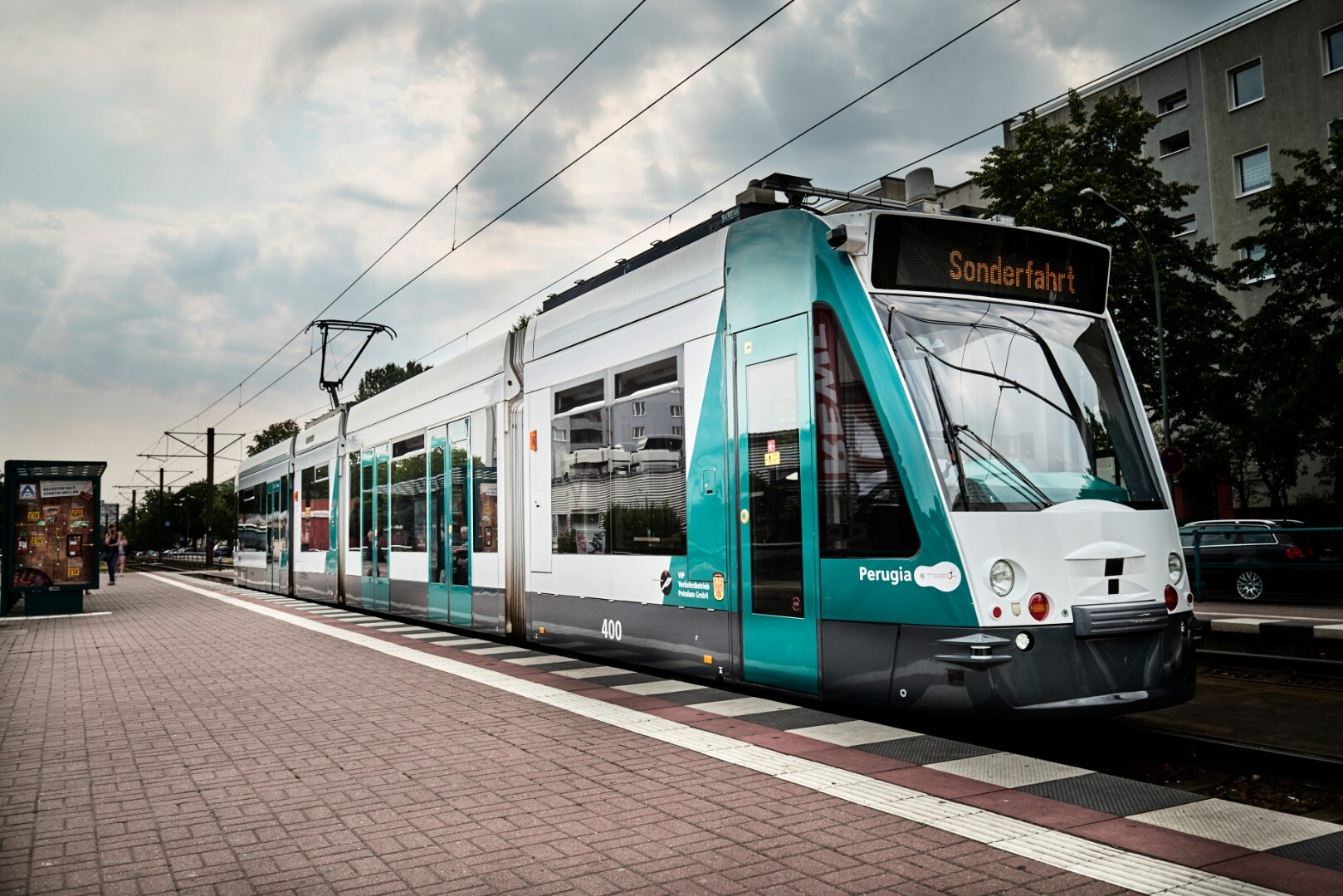
Autonomous systems can operate continuously without breaks, maximizing uptime and reducing idle time compared to manned buses that require driver rest periods [10]. The autonomous tram in Potsdam, Germany, is equipped with cameras, sensors, radar, and LiDAR, which help the tram participate in real traffic without any difficulties and detect any unpredictable movements of other participants in the traffic.
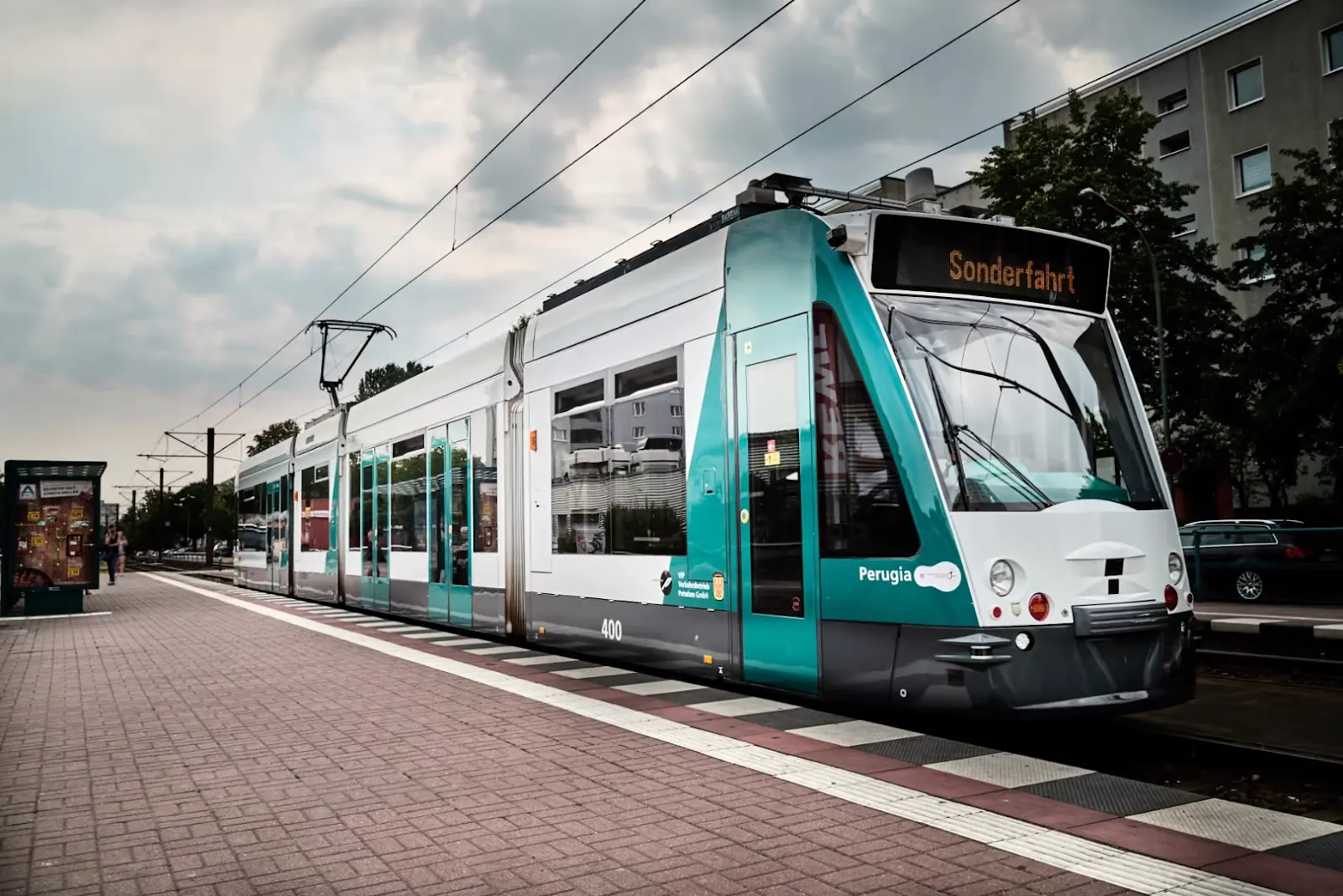
Fig 1. Autonomous trem in Potsdam, Germany. Adapted from [11]
- Google Self-Driving Waymo
Driverless mode of operations is considered using computer-integrated cockpit and various sensing and controlling devices. It provides security and safety during the journey with information about other vehicles nearby [10].
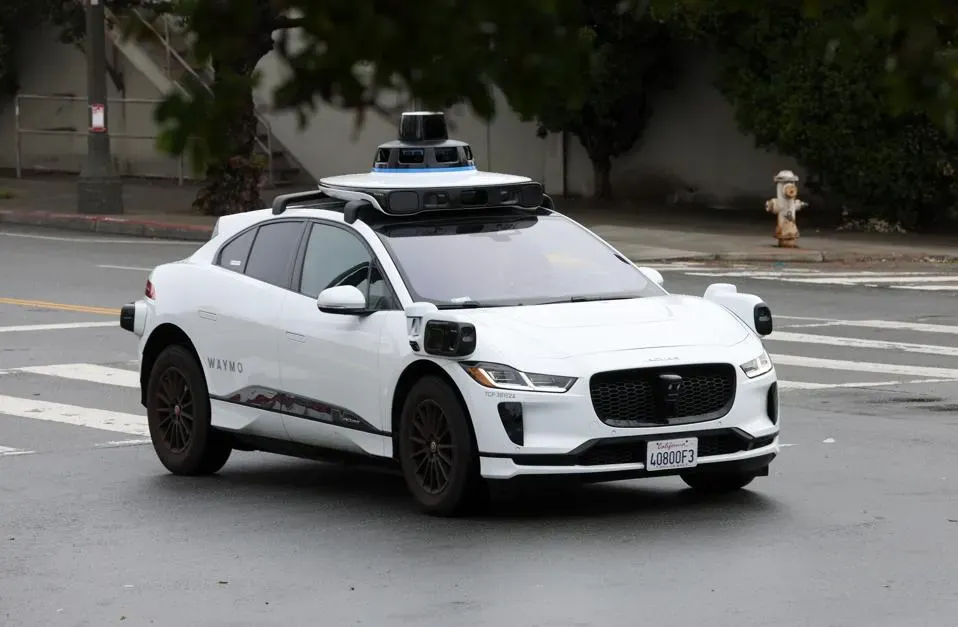
Fig 2. Google Self-Driving Waymo. Adapted from [12]
- Helicopters
Airbus has released a prototype of an autonomous helicopter in July 2020 named VSR700. The purpose of this vehicle is to extend a ship’s detection range by using its sensor after getting deployed from its mothership [10].
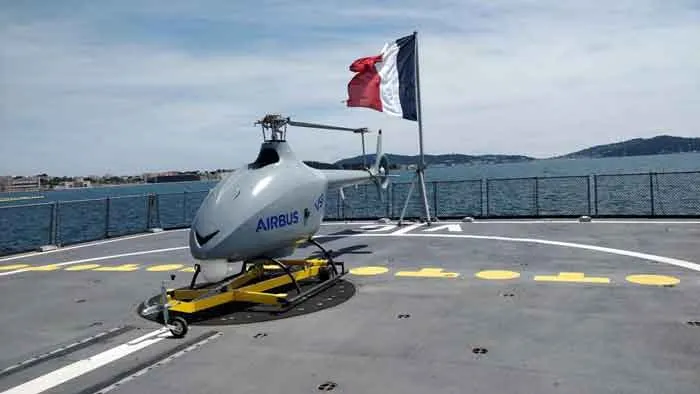
Fig 3. Autonomous Helicopter Airbus VSR700. Adapted from [13]
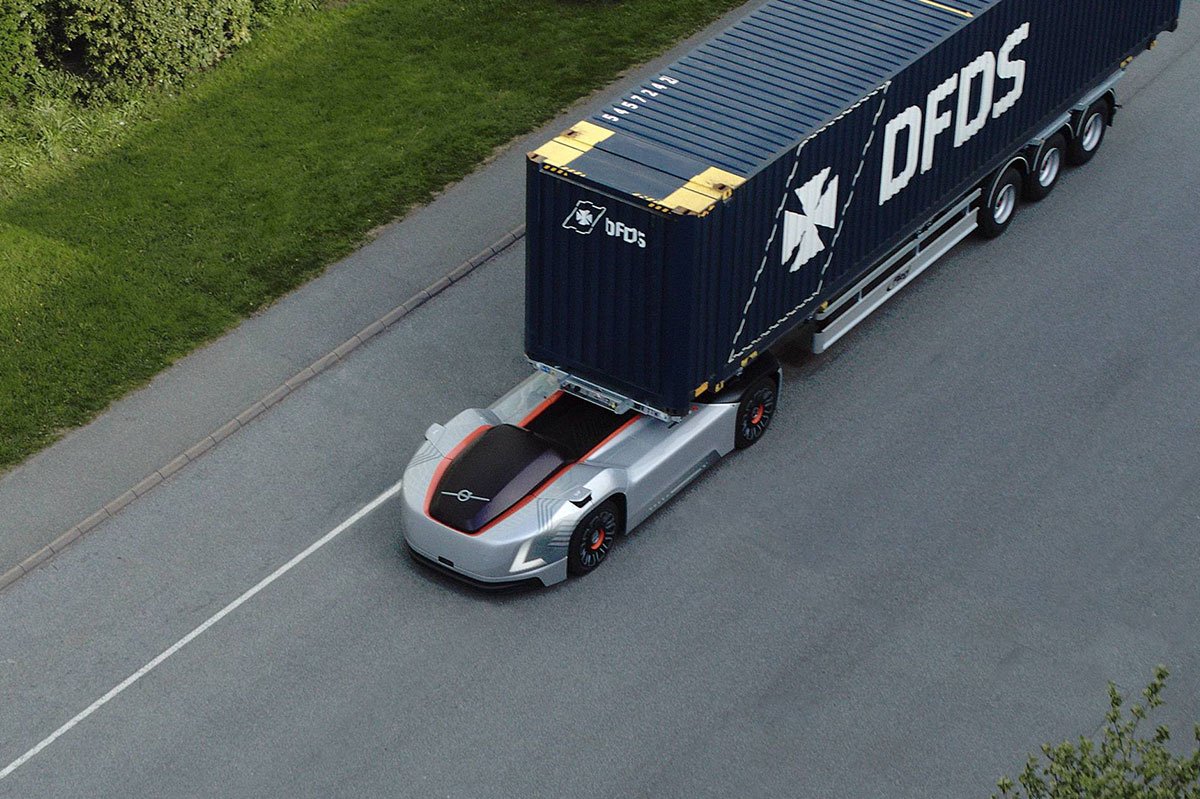
- Trucks
Vera, Volvo’ autonomous electric truck is developed for carrying goods from various industries and has efficient, safer, clean, and sustainable ways than ordinary trucks. These Vera trucks use intelligent cameras and censoring devices to make efficient transportation which results in decreased waiting periods and pollution [10].
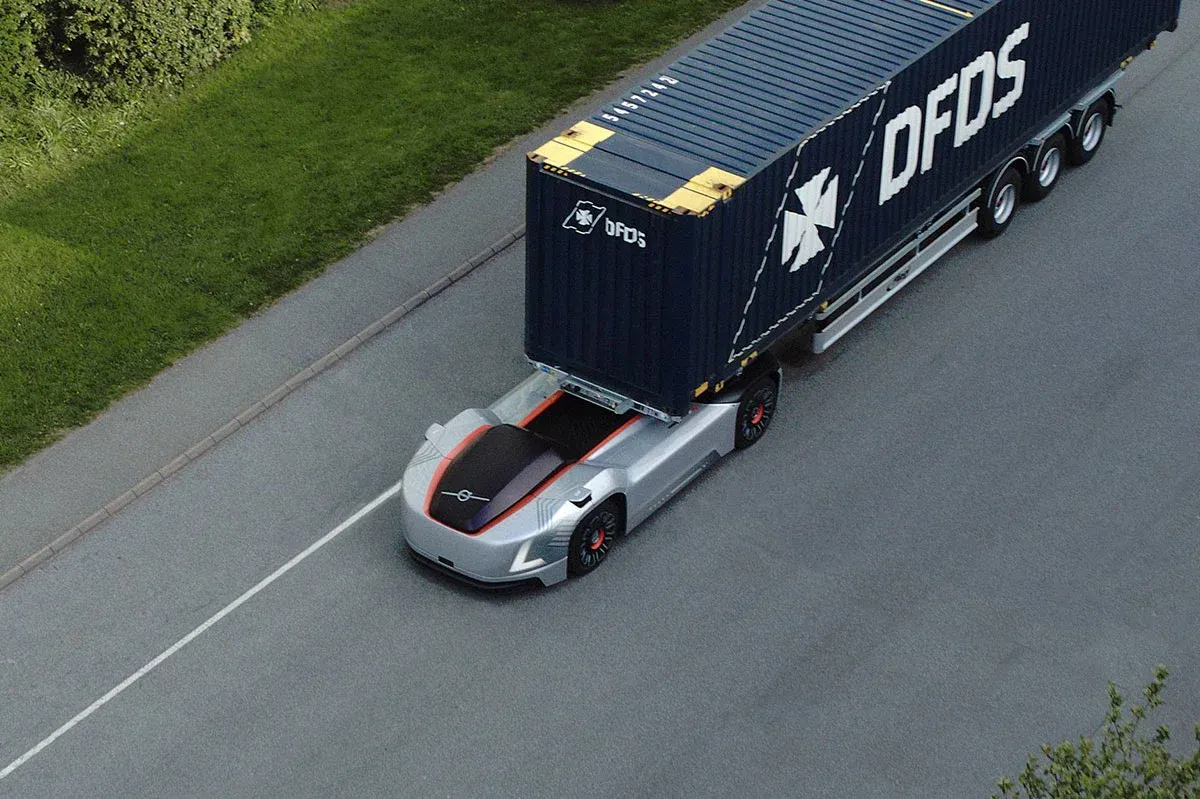
Fig 4. Volvos’ Vera Autonomous Truck. Adapted from [14]
Conclusion
Autonomous vehicles have the potential to revolutionize transportation, infrastructure, and industry by integrating advanced sensors, AI-driven decision making, and machine learning algorithms. Use of mass transportation with shared AV (SAV) will be promoted by the development of AVs, hence the use of conventional vehicles is hoped to deplete in the future. Human error, traffic congestion, mobility, transportation costs, supply chains, and many other aspects of distribution will be optimized with this technology. Therefore, this technology will ultimately create sustainable, inclusive, and resilient infrastructures for cities all around the world.
References
[1] S. Küfeoğlu, “SDG-9: Industry, Innovation and Infrastructure,” in Emerging Technologies : Value Creation for Sustainable Development, S. Küfeoğlu, Ed., Cham: Springer International Publishing, 2022, pp. 349–369. doi: 10.1007/978–3–031–07127–0_11.
[2] United Nations Conference on Trade and Development, SDG Investment Trends Monitor, no. 4, Sep. 2023. [Online]. Available: unctad.org/system/files/official-document/diaemisc2023d6_en.pdf.
[3] M. Yunis, A. Tarhini, and A. Kassar, “The role of ICT and innovation in enhancing organizational performance: The catalysing effect of corporate entrepreneurship,” J Bus Res, vol. 88, pp. 344–356, 2018, doi: https://doi.org/10.1016/j.jbusres.2017.12.030.
[4] D. Parekh et al., “A Review on Autonomous Vehicles: Progress, Methods and Challenges,” Electronics (Basel), vol. 11, no. 14, 2022, doi: 10.3390/electronics11142162.
[5] R. Hussain and S. Zeadally, “Autonomous Cars: Research Results, Issues, and Future Challenges,” IEEE Communications Surveys & Tutorials, vol. 21, no. 2, pp. 1275–1313, 2019, doi: 10.1109/COMST.2018.2869360.
[6] W. Liu et al., “A Systematic Survey of Control Techniques and Applications in Connected and Automated Vehicles,” CoRR, vol. abs/2303.05665, 2023, doi: 10.48550/ARXIV.2303.05665.
[7] K. Othman, “Exploring the implications of autonomous vehicles: a comprehensive review,” Innovative Infrastructure Solutions, vol. 7, Apr. 2022, doi: 10.1007/s41062–022–00763–6.
[8] D. A. Hensher, “Tackling road congestion — What might it look like in the future under a collaborative and connected mobility model?,” Transp Policy (Oxf), vol. 66, pp. A1–A8, 2018, doi: https://doi.org/10.1016/j.tranpol.2018.02.007.
[9] G. Bathla et al., “Autonomous Vehicles and Intelligent Automation: Applications, Challenges, and Opportunities,” Mobile Information Systems, vol. 2022, no. 1, p. 7632892, Jan. 2022, doi: https://doi.org/10.1155/2022/7632892.
[10] M. Gusev and S. Gilroy, “The effectiveness of autonomous public transport systems in densely populated urban areas,” Transport Economics and Management, vol. 3, pp. 1–8, 2025, doi: https://doi.org/10.1016/j.team.2024.11.004.
[11] New Atlas. Accessed Mar 20, 2025. [Photo]. Available: https://assets.newatlas.com/dims4/default/892d289/2147483647/strip/true/crop/1618x1080+0+0/resize/1618x1080!/quality/90/?url=http%3A%2F%2Fnewatlas-brightspot.s3.amazonaws.com%2Farchive%2Fsiemens-autonomous-tram-1.jpg
[12] Forbes. Accessed Mar 20, 2025. [Photo]. Available: https://imageio.forbes.com/specials-images/imageserve/679d0339af2051751122ae62/San-Francisco-Serves-As-Testing-Grounds-For-Autonomous-Vehicles/960x0.jpg?format=jpg&width=960

[13] Indo Militer. Accessed Mar 20, 2025. [Photo]. Available: https://www.indomiliter.com/wp-content/uploads/2019/11/French-Navy-Aiming-for-1200-Unmanned-Systems-by-2030-1-1024x576.jpg

[14] Auto Nesian. Accessed Mar 20, 2025. [Photo]. Available: https://autonesian.com/wp-content/uploads/2019/06/volvo-trucks-vera-otonom.jpg